Why Your Face Looks Puffier at 7 A.M. Than It Did at 11 P.M.
A cosmetic dentist reveals the overlooked sleep habit that can leave you waking with a dry mouth, tired-looking skin and a jawline that appears softer by morning.
FW
By Dr Fern White, Cosmetic DentistUpdated 5 August 2026 · 9 min read
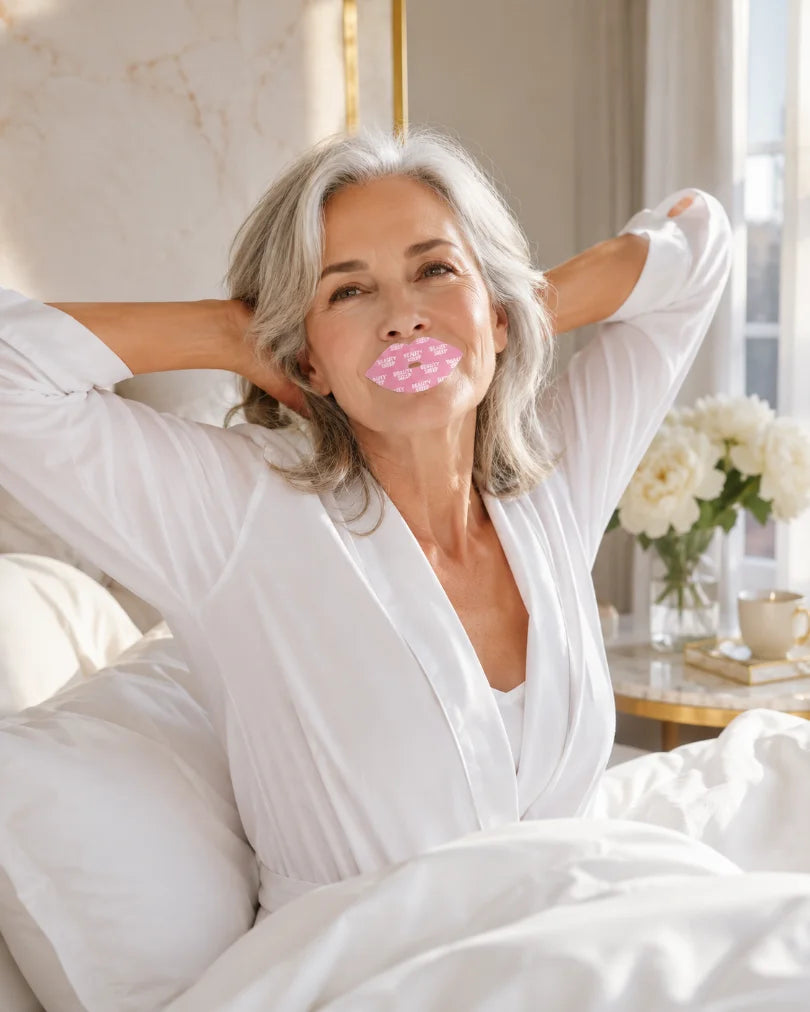
The photograph that started it: an angle most of us quietly avoid.
Dr Fern WhiteCosmetic dentist writing about the everyday habits that quietly affect teeth, gums and sleep.Disclosure: this article is presented by Beauty Sleep. Individual experiences vary.
I deleted the photograph before my daughter could see it.
It wasn’t a bad photo. She looked beautiful. I was the one who made my stomach drop.
I had been looking down at the menu when she took it, and the angle caught everything I had quietly been trying not to notice. The softness beneath my chin. The folds beginning to form beside my mouth. The way my jawline seemed to disappear into my neck.
“Take another one,” I said. “From higher up.”
And that was when it hit me.
I had started arranging my entire appearance around my jawline.
I wore my hair down more often. I avoided side-profile photographs. I lifted my chin whenever someone pointed a phone at me. And every morning, I stood in front of the mirror pulling the skin beside my ears backwards, trying to glimpse the face I remembered.
Perhaps you’ve done it too. You look perfectly fine in the bathroom mirror. Then someone takes a photograph from the wrong angle and you barely recognise your lower face.
Your jawline looks softer. Your neck looks heavier. Your face looks tired and swollen. And you wonder:
When Did This Happen?
I assumed it was simply age. That’s what women are told. Once you pass 40, everything begins to “drop”. Your skin loses collagen. Your neck gets softer. Your jawline begins to blur.
So you buy the firming cream. Then the facial roller. Then the gua sha tool. Then the collagen powder. Perhaps you try face yoga, jaw exercises or an ice mask from the freezer.
You massage beneath your chin each morning. You sweep the tool along your jawline. And sometimes it looks a little better.
But the following morning, the puffiness is back. Your lips feel dry. Your mouth feels sticky. Your cheeks look heavier. And despite spending eight hours in bed, your face looks more tired than it did before you went to sleep.
That is the clue most women miss. Because while you are trying to repair your lower face for ten minutes each morning…
You may be ignoring what your mouth and jaw are doing for seven or eight hours every night.
5 Signs Your Mouth Falls Open While You Sleep
You may not know it is happening. You are asleep, after all. But your mornings often leave clues.
1
You wake with a dry or sticky mouth
Your tongue feels rough. Your lips feel dehydrated. You need water before you can speak comfortably.
2
You keep a glass of water beside your bed
You may even wake at 2 or 3 a.m. specifically to drink.
3
Your partner hears snoring or heavy breathing
Even if you’ve never heard yourself snore, someone beside you may have.
4
You wake with cracked lips, bad breath or a dry throat
These can be clues that air has been moving through your mouth for hours.
5
Your face looks puffier after sleeping
Your cheeks look swollen. The area beneath your chin appears heavier. Your jawline seems less defined than it did the night before.
If two or more of these sound familiar, your lips may be separating after you fall asleep.
And that can affect far more than your breath.
What Happens When Your Mouth Falls Open at Night?
Mouth-Open Sleep
Lower jaw relaxes and the lips separate
Air passes through the mouth for hours
Lips, tongue, gums and throat dry out
You wake thirsty and looking tired
The Beauty Sleep Routine
Lips gently supported, not sealed
Air filtered and humidified through the nose
A central comfort opening stays clear
A calmer, quieter night
Illustrative comparison. Beauty Sleep supports closed-mouth sleep; it does not lift or restructure facial tissue.
As you enter deeper sleep, the muscles in your face and jaw relax. Your lower jaw can drop. Your lips separate. Your tongue may settle lower or farther back.
Instead of air being filtered and humidified through your nose, it begins passing through your mouth. That can dry your lips, tongue, gums and throat. It may also contribute to snoring and broken sleep.
Then morning arrives. You wake thirsty. Your eyes look tired. Your cheeks look puffy. And your lower face appears softer and less refreshed.
Mouth-open sleep is not the sole cause of jowls. Genetics, age, sun exposure, skin quality, weight changes and facial structure all matter.
But if your face repeatedly looks heavier and puffier after sleeping, it makes sense to examine what is happening overnight before blaming everything on age.
Because your jawline may not look different simply because another day has passed. It may look different because of how you spent the previous eight hours.
I Was Treating My Morning Face While Ignoring My Night-Time Habit
Firming creams felt luxurious — but couldn’t stop my mouth falling open.
Facial massage eased temporary puffiness. The effect never lasted.
Another tool in the drawer, used for a fortnight.
Jaw exercises made the muscles around my face ache.
Treatments can change the lower face — with appointments, expense, downtime.
None of these are ineffective at what they are designed to do. They simply address a different problem than mouth-open sleep.
Was I Sleeping With My Mouth Open?
The first clue was my dry mouth. The second was waking for water. The third came from my husband. “Yes,” he told me. “Your mouth is open most nights.”
Suddenly, the morning dryness made sense. The tired-looking photographs made sense. The puffiness made sense. I had been spending money trying to change what I saw at 7 a.m. — while ignoring the habit happening all night.
I had tried mouth taping once, back in 2015. It went badly enough that I didn’t try it again for years. I had used a tape that completely sealed my lips. Then I woke during the night with a coughing fit.
I wanted the benefits of supporting closed-mouth sleep — but I never wanted to feel trapped again.
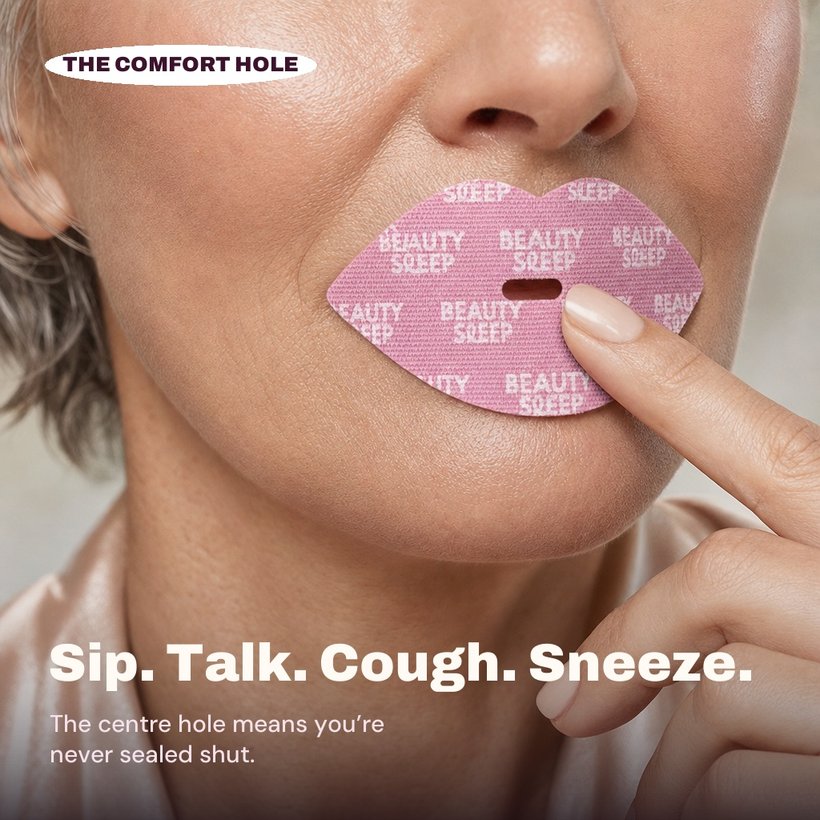
Central comfort opening— the lips are supported, never fully sealed.
After seeing that photograph — and realising how often I woke with a dry mouth — I decided to revisit the idea properly. That is when I discovered a gentler approach.
The Gentle Closed-Mouth Sleep Method
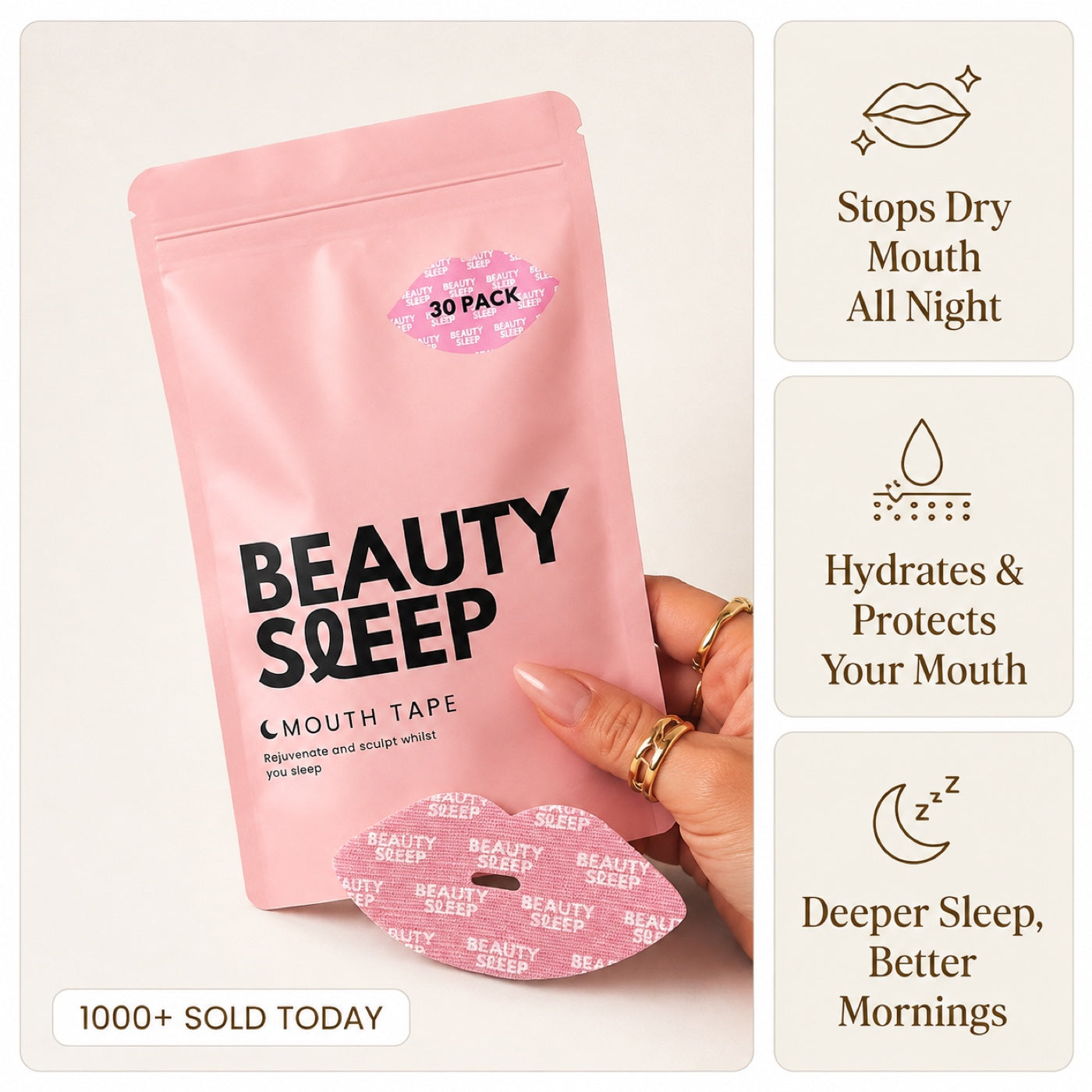
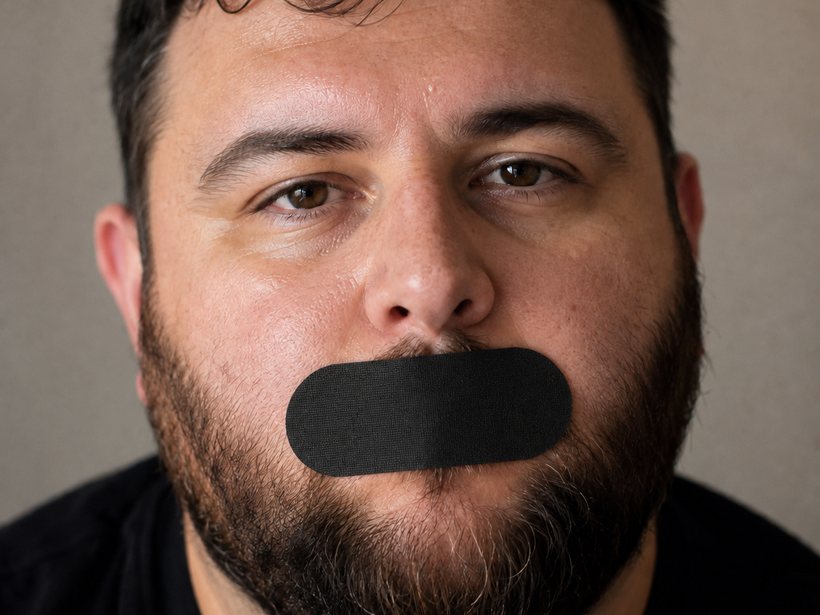
Beauty Sleep is a soft, lip-shaped mouth tape designed specifically for women. It uses a gentle adhesive to support your lips in a closed position while you sleep. And unlike harsh square tapes, it has a small comfort opening in the centre.
That opening matters. It makes the routine feel less restrictive and more approachable, especially when you are new to mouth taping.
Gentle adhesive
Made for women
Comfort opening
Ten-second routine
You brush your teeth. Complete your skincare. Apply one soft pink strip. Then go to sleep.
It does not pull your skin upwards. It does not replace cosmetic treatment. It simply supports a better night-time habit while you sleep. And for me, that changed my mornings.
What Happened When I Started Using It Consistently
Individual experiences vary, but this was my experience.
The First Night
I became aware of how often my lips naturally wanted to separate. The tape felt unusual at first. Not painful. Just different. I had slept one way for years, and I was asking my body to learn a new habit.
By Night Seven
I had stopped putting a full glass of water beside the bed. My mouth no longer felt painfully dry the moment I woke up. My husband said my breathing sounded quieter. And when I looked in the mirror, my face appeared less exhausted.
By Night Thirty
Applying Beauty Sleep felt as normal as brushing my teeth. I stopped noticing I was wearing it. I slept more comfortably. I woke with less dryness. And I no longer spent the first ten minutes of every morning desperately trying to massage the puffiness out of my lower face.
I stopped insisting that every photograph be taken from above.
I stopped immediately deleting every side angle. I looked more rested. Less swollen. More like myself. That is what made me keep using it.
Try Beauty Sleep for 99 Nights
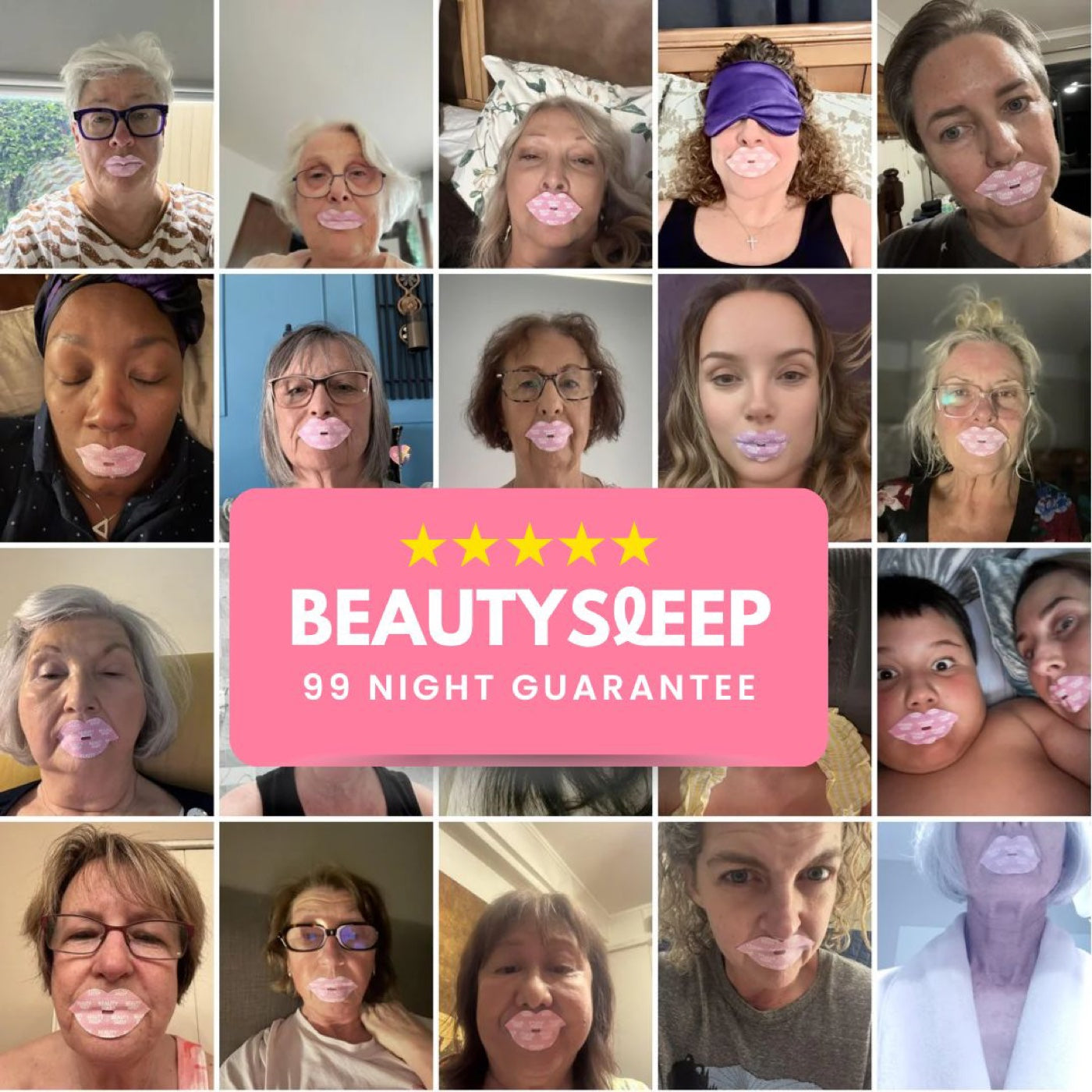
Join thousands of women who have made Beauty Sleep part of their night-time routine.
Most women don’t. You may breathe perfectly well through your nose during the day. Night-time is different. Once your muscles relax, your lower jaw can drop without you realising it.
Unless someone sleeps beside you, the first clue may be the way you feel when you wake. For many women, that means years of treating the symptoms without noticing the night-time habit behind them.
“What If Mouth Tape Feels Claustrophobic?”
That was one of my own concerns. Beauty Sleep’s central comfort opening is the feature that made the biggest difference for me. It doesn’t feel like your lips have been completely sealed.
You can also ease into the routine. Wear it for twenty minutes while reading in bed. Try it during a short nap. Then begin wearing it overnight once the sensation feels familiar.
Only use Beauty Sleep when you can breathe comfortably through your nose.
“What If I Have Sensitive Skin?”
Beauty Sleep was designed for the delicate skin around a woman’s mouth. Apply it to clean, dry skin without heavy moisturiser around your lips. In the morning, peel it away slowly.
“Will It Get Rid of My Jowls?”
Beauty Sleep is not a surgical treatment. It does not remove loose skin or permanently restructure your face. But that does not mean your night-time habits are irrelevant.
If your mouth falls open for hours, you can wake with a dry mouth, dehydrated-looking lips, broken sleep and a puffier-looking face. Beauty Sleep addresses the open-mouth habit itself.
That makes it a logical first step if you are not ready to spend hundreds or thousands on cosmetic procedures — and you suspect your morning appearance is connected to how you sleep.
Start With the Habit Happening Every Night
You can keep trying to repair your face every morning. Or you can support a better night-time habit before your head touches the pillow.
Figures are indicative retail ranges. Those treatments are personal decisions and are not equivalent to Beauty Sleep — but none of them address whether your mouth falls open every night.
Before choosing an expensive intervention, consider addressing the nightly habit first.
Today’s Beauty Sleep offer
Buy 2, Get 2 Free
Four packs of Beauty Sleep mouth tape
120 nights of use
Free Priority Shipping
Free Travel Tin
Free tracked delivery
The 99-Night Sleep Better Guarantee
Normally $199.60Today: $89.90
That works out to about 75¢ a night.
99 nights to judge it for yourself
Trusted by Thousands of Beauty Sleep Customers
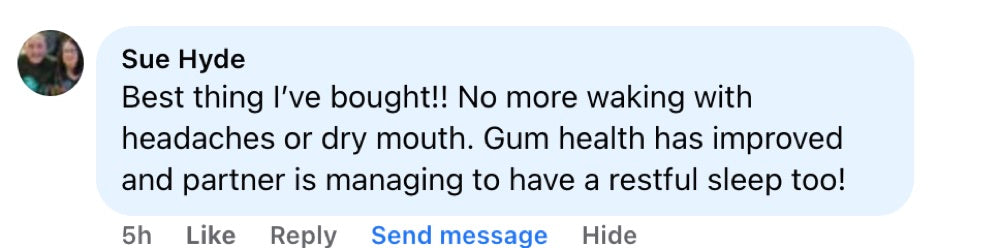
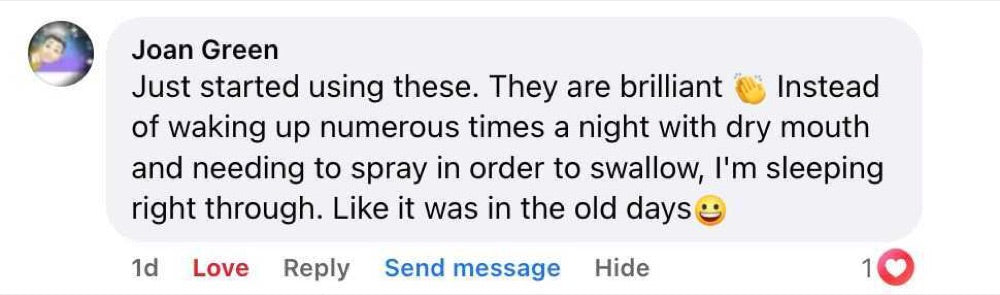
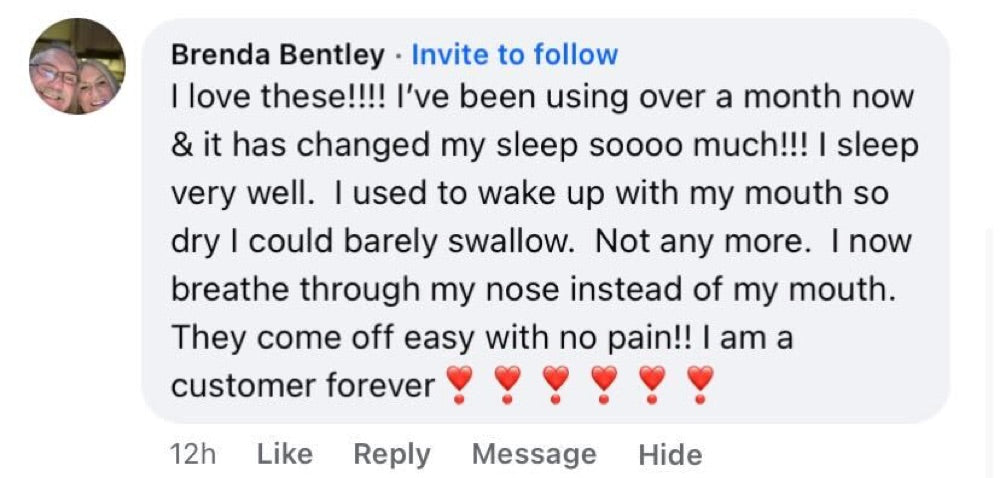
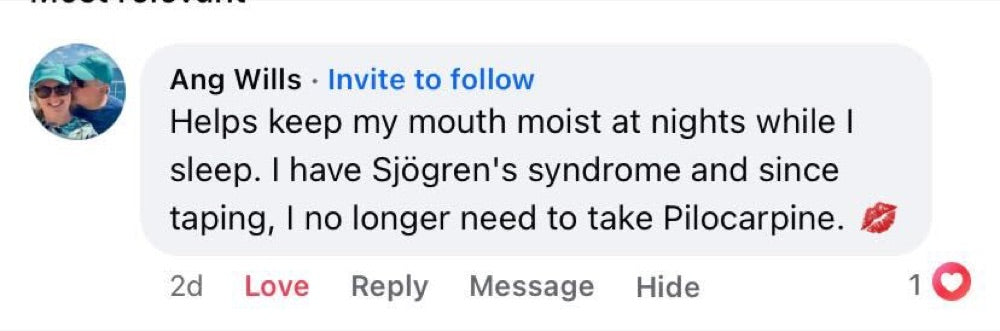
Beauty Sleep customers frequently tell us they use it to support less morning dry mouth, quieter night-time breathing, more comfortable closed-mouth sleep, a gentler alternative to ordinary tape and a more rested-looking morning appearance.
Rated 4.8 from 2,000+ verified reviews
You Are Protected for 99 Nights
Trying a new night-time habit can feel uncertain. Use Beauty Sleep consistently, give yourself time to adjust, and notice your morning dryness, night-time waking and how you feel when you wake. If it is not right for you, contact support during the guarantee period for a refund in accordance with the published terms.
You don’t have to begin with the most expensive solution. Begin with the habit happening every night.
— Dr Fern White, as she tells her patients
Full guarantee conditions apply. See published terms for eligibility, timeframes and refund process.
Tonight, You Have Two Choices
Continue the same morning routine
Drink water because your mouth is dry
Examine your jawline in the mirror
Massage the puffiness beneath your chin
Apply another layer of firming cream
Try a different night-time routine
One gentle pink strip
Ten seconds before bed
About 75¢ a night
99 nights to judge the difference
You don’t need to wait until your jawline feels unrecognisable. You don’t need to spend thousands before trying the simplest step. Start with what happens while you sleep.
Get Buy 2, Get 2 Free Today
Receive four packs of Beauty Sleep, free gifts, free tracked shipping and your protected 99-night trial.
No. Only use mouth tape when you can breathe comfortably through your nose. Do not use it during severe congestion or when nasal breathing is restricted.
Mouth opening may contribute to snoring for some people. However, persistent or loud snoring can also indicate sleep apnoea or another health condition and should be assessed by a qualified health professional.
Speak with the clinician managing your treatment before adding mouth tape. Beauty Sleep should not replace prescribed sleep-apnoea treatment.
Some women feel comfortable immediately. Others prefer gradually increasing their wear time over several nights.
No. Beauty Sleep does not permanently lift loose skin. It supports closed-mouth sleep and may help address dry mouth, interrupted sleep and factors that can leave you looking tired or puffy in the morning.
Peel it away slowly in the morning. If needed, loosen the adhesive gently with warm water.
Safety notice
Only use Beauty Sleep when you can breathe comfortably through your nose. Do not use it during severe nasal congestion, after consuming excessive alcohol or sedating substances, when nauseated or at risk of vomiting, or if you cannot remove the tape independently. Consult a qualified health professional if you have a breathing disorder, suspected or untreated sleep apnoea, or prescribed respiratory treatment.